
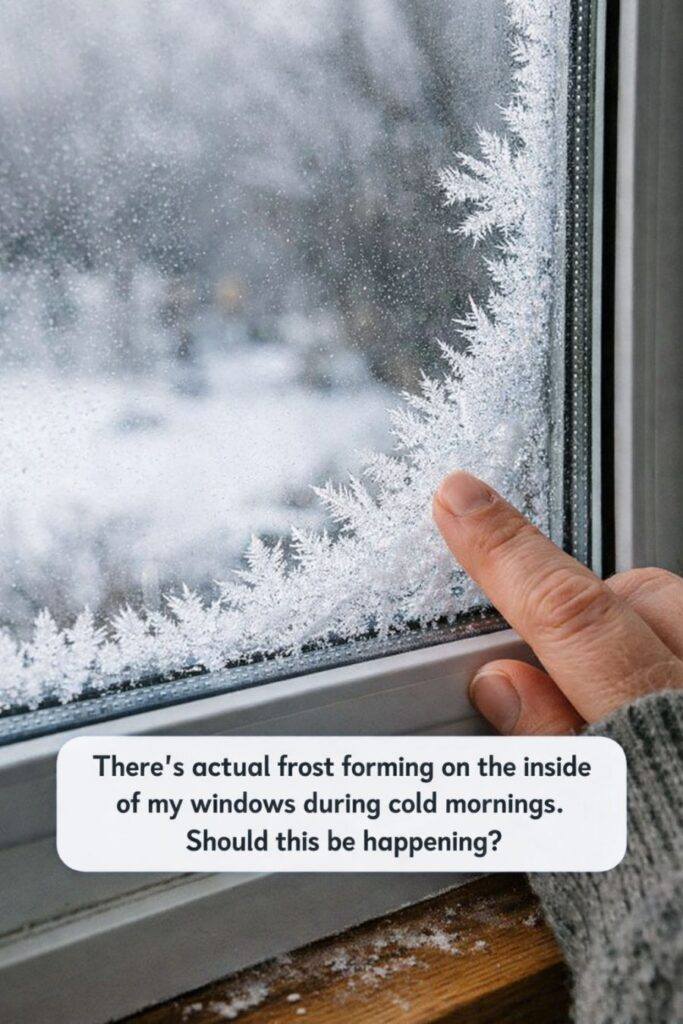
Waking up to find frost on the inside of your windows can be a surprising and concerning sight. While it can create beautiful patterns reminiscent of winter wonderlands, its presence indoors might raise questions about your home’s insulation and humidity levels. Understanding why this happens is crucial for maintaining a comfortable and energy-efficient living space.
Frost formation on windows is not merely a cosmetic issue; it can be indicative of underlying problems with your home’s thermal envelope or ventilation. In this article, we will explore the reasons behind indoor frost, when it’s a sign of a bigger problem, and what steps you can take to prevent it.
1. Why Frost Forms On The Inside Of Your Windows
Frost forms on the inside of windows when warm, moist indoor air comes into contact with the cold surface of the window glass. As the temperature of the glass drops below the dew point — the temperature at which air becomes saturated and moisture begins to condense — water vapor in the air condenses into liquid. If the temperature is low enough, this liquid can freeze, forming frost. Typically, frost forms when indoor humidity is high and outdoor temperatures are below freezing (32°F or 0°C).
2. When Indoor Frost Is Normal—And When It’s A Red Flag
In some cases, a little frost is normal, especially in older homes with single-pane windows during extreme cold spells. However, consistent or heavy frost indicates excessive indoor humidity or poor window insulation. If frost persists despite moderate outdoor temperatures or appears on newer, double-pane windows, it may signal inadequate ventilation or a problem with the windows themselves.
3. What Frosty Windows Reveal About Your Indoor Humidity
Frost on windows is a clear indicator of high indoor humidity. Ideally, indoor humidity levels should be between 30-50%. When humidity levels exceed this range, condensation and frost are more likely to occur. Using a hygrometer can help monitor humidity levels, allowing you to make necessary adjustments to prevent frost formation.
4. The Role Of Window Type, Age, And Installation
The type and age of windows play significant roles in how likely they are to develop frost. Single-pane windows provide little insulation compared to double or triple-pane windows. Additionally, poorly installed windows can lead to air leaks, allowing cold air to cool the window surface more quickly. Ensuring windows are properly sealed and in good condition can reduce frost formation.
5. Hidden Risks: Mold, Rot, And Damage Behind The Frost
Next Page
