
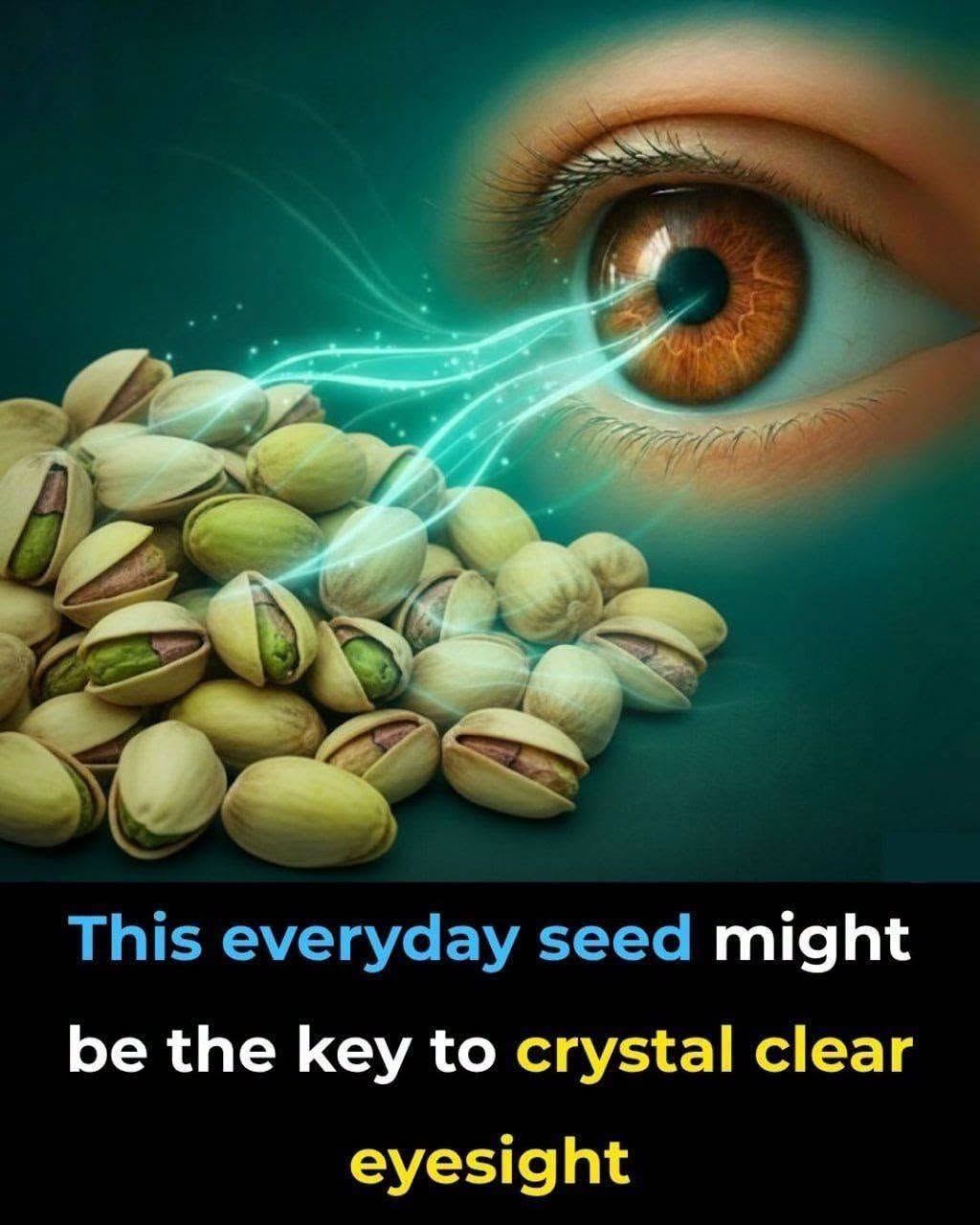
Pistachios are a nutritious snack that provides healthy fats, protein, fiber, antioxidants, vitamins, and minerals. Because some of these nutrients are important for maintaining healthy eyes, pistachios can be part of a balanced diet that supports overall eye health.
👁️ How Pistachios May Support Eye Health
Pistachios contain several nutrients that can contribute to normal eye function:
- Lutein and zeaxanthin: These carotenoids are found in the eye and help protect the retina from oxidative stress.
- Vitamin E: An antioxidant that helps protect cells from damage caused by free radicals.
- Healthy fats: Pistachios contain unsaturated fats that contribute to a healthy diet and may help the body absorb fat-soluble nutrients.
- Zinc and other minerals: Zinc plays an important role in normal vision and eye function.
- Antioxidants: Pistachios contain compounds that help protect cells from oxidative damage.
🥜 How Many Pistachios Should You Eat?
A small handful—around 25–30 grams (about 1 ounce)—is a reasonable serving for most adults. Choose unsalted or lightly salted pistachios when possible.
⚠️ Can Pistachios Give You “Crystal-Clear” Vision?
Not by themselves. The image’s claim that pistachios are “the key to crystal-clear eyesight” is exaggerated. Eating pistachios does not correct nearsightedness, farsightedness, cataracts, or other eye diseases.
However, including pistachios alongside vegetables, fruits, fish, eggs, legumes, and other nutrient-rich foods can contribute to a diet that supports long-term eye health.
🌿 Other Foods That Support Eye Health
Consider regularly including:
- 🥕 Carrots and sweet potatoes
- 🥬 Spinach and kale
- 🥚 Eggs
- 🐟 Fatty fish such as salmon and sardines
- 🫑 Peppers
- 🥑 Avocados
- 🥜 Pistachios, walnuts, and almonds
- 🍊 Oranges and other citrus fruits
Bottom line: Pistachios are a healthy addition to your diet and contain nutrients associated with eye health, but they are not a cure or treatment for vision problems.
